Lonavala Travel Guide 2026: Places to Visit, Things to Do & Budget Tips
Complete Lonavala travel guide for weekend travelers from Mumbai and Pune covering top places, 2-day itinerary, budget breakdown, best time to visit and practical tips.
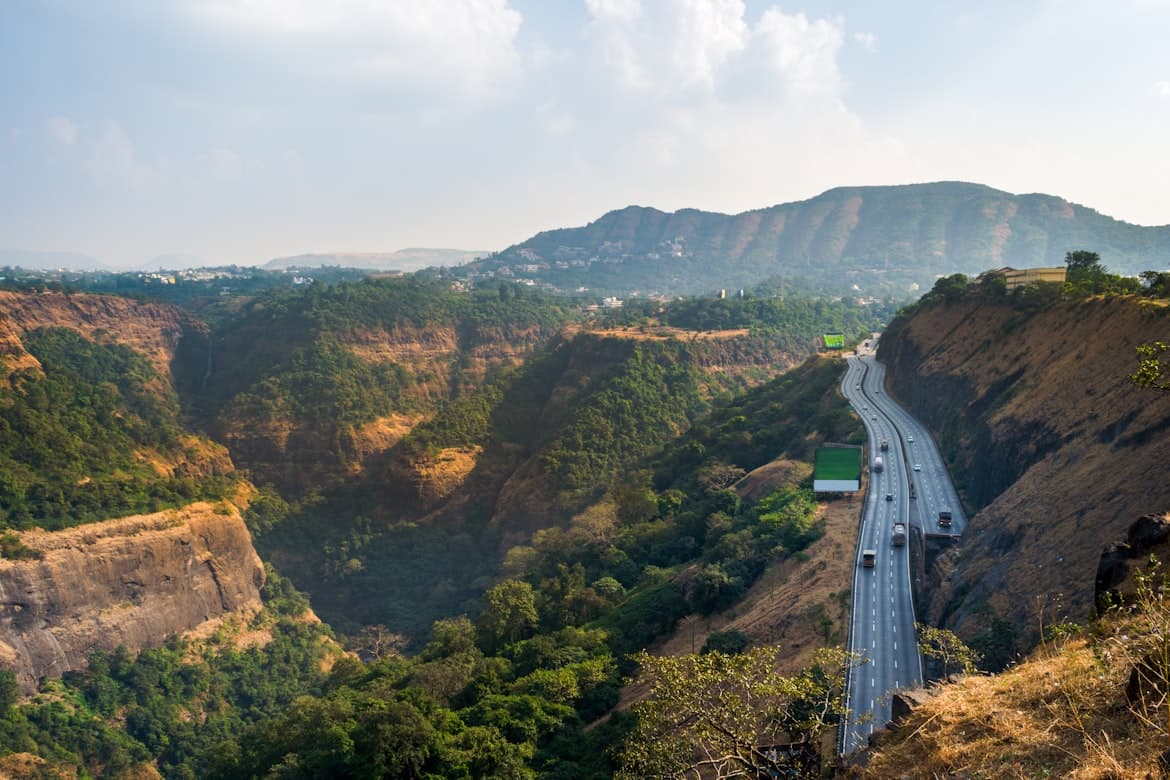
Lonavala Travel Guide 2026: Places to Visit, Things to Do & Budget Tips
Introduction
Lonavala sits at 622 metres in the Sahyadri range of the Western Ghats, straddling the border of Pune and Raigad districts in Maharashtra. It is 83 km from Mumbai and 65 km from Pune on the Mumbai–Pune Expressway — which means it is realistically reachable in under 2 hours from either city, making it one of the most accessible hill stations in western India.
The town itself is small and commercial, with its main market street lined with chikki shops and tourist stalls. The actual draw of Lonavala lies outside the town: the forts, the caves, the viewpoints, the waterfalls, and the valleys that open up during and after the monsoon. The Lonavala-Khandala area covers both a designated hill station (Lonavala) and its sister station (Khandala, 3 km west), and most attractions worth visiting are spread across this wider region and the surrounding Maval area.
This guide covers what to see, how to get there, how much to budget, and what the experience actually looks like across different seasons — for weekend travelers planning a 1 or 2 day trip from Mumbai or Pune in 2026.
How to Reach Lonavala
From Mumbai
By Road (Expressway): Mumbai to Lonavala via the Mumbai–Pune Expressway (NH 48) is 83 km. Under normal traffic conditions, the drive takes 1.5 to 2 hours. Exit at the Lonavala toll plaza. On weekends and long weekends, traffic on the expressway can extend this to 3–4 hours, particularly from Khopoli onwards. Departing Mumbai before 7 AM on Saturday mornings avoids the worst of it.
By Train: Mumbai CST to Lonavala via the Central Railway line. Trains depart from CST, Dadar, Thane, Kalyan, and Karjat. Journey time from CST is approximately 2 hours to 2 hours 30 minutes depending on the express or local. CSMT–Lonavala Intercity Express and local trains run multiple times daily. Train fare (Second Class) is approximately Rs 60–80. Reserved AC chair car on express trains is Rs 200–300. The Lonavala railway station is centrally located, 1 km from the main market.
By Bus: MSRTC (Maharashtra State Road Transport Corporation) operates regular Shivneri and ordinary buses from Mumbai's Dadar and Borivali bus depots to Lonavala. Journey time is approximately 2–2.5 hours on the expressway. Shivneri AC Volvo bus fare is approximately Rs 300–400 one way.
From Pune
By Road (Expressway): Pune to Lonavala via the Mumbai–Pune Expressway is 65 km, approximately 1 to 1.5 hours under normal conditions. Exit at the Lonavala toll plaza after the Khopoli–Lonavala stretch.
By Train: Pune to Lonavala via Central Railway. Multiple express and passenger trains run daily. Journey time is approximately 1 hour 15 minutes to 1 hour 45 minutes. Fare in Second Class is Rs 35–50.
By Bus: MSRTC buses from Pune's Shivajinagar and Swargate bus stands to Lonavala run frequently throughout the day. Journey time is 1.5 to 2 hours. Fare is approximately Rs 90–150 depending on bus type.
Local Transport at Lonavala: Auto-rickshaws operate within the town and to nearby points. Renting a private vehicle (car or two-wheeler) from the town center is advisable for visiting spread-out attractions like Rajmachi, Karla Caves, and the viewpoints efficiently. Cab aggregators like Ola and Uber are available but surges are common on weekends.
Top Places to Visit in Lonavala
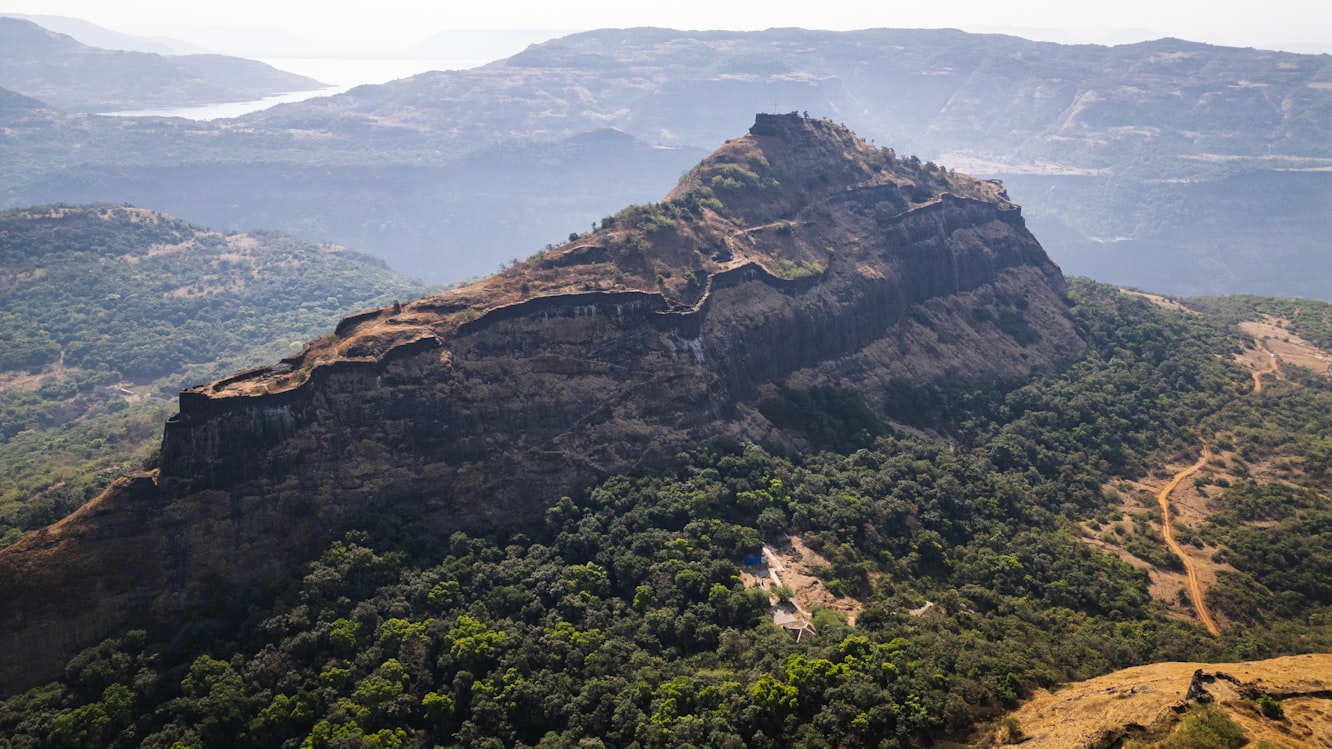
1. Rajmachi Fort
Distance from Lonavala: 15 km by road to Udhewadi village (base), then a 6.5 km trek to the fort. The fort consists of two fortifications — Shrivardhan and Manaranjan — sitting at approximately 950 metres, overlooking the Ulhas valley and the Sahyadri range.
The trek from Udhewadi to Rajmachi is rated easy to moderate. It follows a relatively well-defined trail through forest and rocky sections. The round trip takes 3–5 hours depending on pace. Rajmachi is also accessible via a longer trail from Kondivade village on the Karjat side (approximately 15 km one way), which is used for overnight treks. The Lonavala-side Udhewadi route is the shorter and more commonly used day-trek option.
The fort offers views of the Konkan coast on clear days, the Bhivpuri reservoir, and the surrounding fort complexes including Mangalgad. Rajmachi is best visited during October to February when the trail is dry and clear. During monsoon (July–August), the trail becomes slippery but remains passable — and the valley views are at their greenest.
There are homestays in Udhewadi village run by local families for those who want an overnight stay at the base.
2. Karla Caves
Distance from Lonavala: 11 km via Karla Road. Drive time is approximately 25–30 minutes.
The Karla rock-cut caves are a set of Buddhist cave shrines dating from the 2nd century BCE to the 5th century CE. The main attraction is the Great Chaitya (prayer hall) — one of the largest and best-preserved rock-cut Buddhist chaityas in India. The pillared interior, carved elephants at the entrance, and the 15-metre high vaulted ceiling are architecturally significant. The Archaeological Survey of India (ASI) maintains the caves, and entry fees are Rs 40 for Indian nationals.
Adjacent to the caves is the Ekvira Devi Temple, which receives large numbers of devotees, particularly during Navratri. The two sites share a parking area and entry road — expect significant crowds during festivals and weekends.
The caves open at 8 AM and close at 5:30 PM. There are steep steps leading up from the parking area to the cave entrance — approximately 200 steps. Nearby Bhaja Caves (12 km from Lonavala, off the Kamshet road) are smaller and less crowded, with a different architectural character, and can be combined with a Karla visit on the same day.
3. Bhushi Dam
Distance from Lonavala: 3 km from the main market. The dam is on the Indrayani river, managed by the Maharashtra Krishna Valley Development Corporation.
Bhushi Dam is functional infrastructure — a concrete overflow dam — but its popularity stems from the series of steps (overflow spillways) on which rainwater and overflow cascade during the monsoon, creating a wading pool effect. During July and August, this becomes one of the most visited spots in Lonavala, with people wading in the fast-moving water on the steps.
The caution here is real and important: Bhushi Dam carries serious drowning risks during high monsoon discharge. Multiple fatalities occur here each monsoon season. The Pune district administration frequently closes the dam to visitors during peak discharge days. Follow closure notices and water-level advisories strictly — the current is deceptively strong. Outside of monsoon (October onwards), the dam has considerably less water flow and much of the appeal for which it is famous is absent.
Best visited: July to mid-September (if open) for the monsoon experience — but strictly follow safety advisories. October onwards for a quieter visit.
4. Tiger Point
Distance from Lonavala: 12 km from the main market, towards Khandala on the old Mumbai–Pune highway (NH 48 old alignment, via Khandala Ghat).
Tiger Point is a cliff-edge viewpoint at approximately 650 metres overlooking the Khandala valley (also called Garbett Plateau). On clear days, the view extends across the layered valleys and hills of the Sahyadri range. During monsoon, low clouds frequently fill the valley below the viewpoint, creating conditions where you are looking across a cloud layer — this is the defining visual experience that makes the monsoon season at Tiger Point genuinely different from any other time of year.
The viewpoint itself is a ledge with a low railing. There are food stalls and small tea shops at the entry road. Entry is free. The drive from Lonavala to Tiger Point via Khandala on the old highway is itself scenic, passing the Khandala Ghat with its sharp curves and valley views. Tiger Point and Lion's Point (see below) are 3 km apart and best visited together.
5. Lion's Point
Distance from Lonavala: 15 km from the main market. Located on the old Mumbai–Pune highway beyond Khandala, adjacent to the Khandala Ghat.
Lion's Point is a larger viewing plateau compared to Tiger Point, with a wider angle of view over the valley. It sits at approximately 620 metres and is particularly well-known for sunrise and sunset visits. The panorama covers the Western Ghats escarpment dropping towards the Konkan coast, and on clear post-monsoon mornings, you can see the flat Deccan plateau on one side and the Konkan lowland descending on the other — the geological boundary between the two landscapes is clearly visible from this point.
Lion's Point receives fewer visitors than Tiger Point on weekdays and is marginally better maintained. Entry is free. During monsoon, both Lion's Point and Tiger Point are prone to sudden low visibility due to mist — you may arrive to find a completely obscured view. This is both the frustration and the nature of monsoon sightseeing in the Sahyadri.
2-Day Itinerary Plan
Day 1
7:00 AM — Depart Mumbai or Pune. Arrive Lonavala by 9:00–9:30 AM (driving). Check in to hotel. Keep luggage and freshen up.
10:00 AM — Drive to Karla Caves (11 km, 25 min). Spend 1.5–2 hours at the Chaitya and Ekvira Temple. If time permits, continue 12 km further to Bhaja Caves (30 min detour).
1:00 PM — Lunch in Lonavala town. Dhabas near the old market or at the entry of Karla road.
2:30 PM — Drive to Tiger Point (12 km from market, 30 min). 45 minutes at the viewpoint.
4:00 PM — Drive to Lion's Point (3 km from Tiger Point). 45–60 minutes. Sunset if weather cooperates.
6:00 PM — Return to Lonavala. Walk the main market. Buy chikki from one of the legacy shops (Maganlal Chikki or Cooper's are the well-known ones). Dinner at a Maharashtrian restaurant on the main street.
Day 2
6:00 AM — Early departure by car or auto to Udhewadi (15 km, 30–35 min).
7:00 AM — Begin Rajmachi Fort trek from Udhewadi. Trek to fort: 6.5 km, approximately 2–2.5 hours ascent.
9:30–10:30 AM — Time at the fort. Walk between Shrivardhan and Manaranjan fortifications. Views of the valley.
11:00 AM — Begin descent. Return to Udhewadi by 1:00 PM.
1:30 PM — Return to Lonavala. Late lunch.
3:00 PM — Visit Bhushi Dam (3 km). Duration depends on water levels and crowds.
5:00 PM — Depart for Mumbai or Pune. Return by 7:00–8:00 PM under normal traffic conditions.
Budget Breakdown (Per Person, 2 Days)
Travel
| Route | Mode | Approx. Cost |
|---|---|---|
| Mumbai–Lonavala–Mumbai (train, 2nd class) | Train | Rs 160–180 |
| Mumbai–Lonavala–Mumbai (Shivneri bus) | Bus | Rs 600–800 |
| Pune–Lonavala–Pune (train, 2nd class) | Train | Rs 100–120 |
| Mumbai/Pune–Lonavala (car fuel, split 4 ways) | Car | Rs 400–600 per person |
Accommodation (Per Person Per Night)
| Type | Rate Range |
|---|---|
| Budget guesthouse / lodge (shared or double room) | Rs 600–1,200 |
| Mid-range hotel (AC, private bathroom) | Rs 1,500–3,000 |
| Resort with pool (weekend rate) | Rs 4,000–8,000 |
Lonavala resort pricing spikes sharply on weekends — the same property that charges Rs 2,500 on a Thursday may charge Rs 5,000–7,000 on Saturday night. Booking on weekdays or at least 2–3 weeks in advance reduces costs noticeably.
Food
| Meal | Average Cost |
|---|---|
| Dhaba meal (vada pav, misal pav, thali) | Rs 80–180 |
| Mid-range restaurant (meal for one) | Rs 250–400 |
| Chikki purchase (250g packet, Maganlal) | Rs 80–120 |
| Corn bhutta at viewpoints | Rs 30–50 |
Activity Costs
| Activity | Cost |
|---|---|
| Karla Caves entry (ASI) | Rs 40 per person |
| Bhaja Caves entry | Rs 40 per person |
| Rajmachi Trek (no entry fee) | Free |
| Tiger Point / Lion's Point | Free |
| Bhushi Dam | Free |
Estimated 2-day total per person (budget travel, train): Rs 2,500–4,000 Estimated 2-day total per person (mid-range, car): Rs 5,000–9,000
Best Time to Visit Lonavala
Monsoon (July to mid-September): The Western Ghats receive some of the heaviest rainfall in India during this period. Lonavala and the surrounding hills are at their greenest, waterfalls are active, and the viewpoints at Tiger Point and Lion's Point have the characteristic cloud-filled valley views. This is also the most crowded period, particularly on weekends. The tradeoff: Bhushi Dam carries drowning risks, trails like Rajmachi become slippery, and visibility at viewpoints can be zero on overcast days.
Post-Monsoon (October to February): This is the most balanced period for visiting. The landscape remains green through October and November, waterfalls are still active (though reducing), weather is clear, and crowd levels drop significantly from the August peak. Rajmachi Fort is best trekked during October to January. Karla Caves are comfortable to visit in any dry month. December and January see cool temperatures (10–18°C) and low humidity.
Summer (March to June): The hills turn brown and dry. Temperatures in Lonavala reach 30–35°C in April and May. Humidity is low but the heat makes outdoor activities like trekking uncomfortable in the middle of the day. Viewpoints lose much of their visual appeal without green cover or clouds. Not recommended for the typical Lonavala experience unless traveling specifically to avoid monsoon complications.
Best overall months: October, November, and August (if comfortable with monsoon conditions and crowd levels).
Local Food to Try in Lonavala
Chikki: Lonavala's most famous export — a brittle candy made from jaggery and various nuts or seeds. The most common variety is groundnut chikki, but walnut, sesame, dry fruit, and chocolate variants are available. Maganlal Chikki (established 1939) on the Old Mumbai–Pune Highway and Cooper's Chikki are the two most referenced names. Prices range from Rs 80–150 for a 250g pack depending on variety.
Vada Pav: Available at every tea stall and dhaba in Lonavala. The local versions are fresh and inexpensive at Rs 15–25 per piece. Good for a quick breakfast before an early trek start.
Misal Pav: A spicy maharashtrian curry of sprouted moth beans topped with farsan (crispy sev), served with pav bread. Available at most sit-down dhabas and local restaurants. Price: Rs 80–120 for a full plate. Recommended at Lonavala's local eateries rather than tourist-facing restaurants where quality varies.
Corn on the Cob (Bhutta): Sold roasted or boiled at every viewpoint stall during monsoon and post-monsoon season. Spiced with lemon and chilli powder. Rs 30–50 per cob.
Fudge: A Lonavala market staple alongside chikki — soft milk-based fudge in various flavours. Rs 100–200 per 250g.
Frequently Asked Questions
1. Is Lonavala worth visiting for just one day from Mumbai or Pune?
A single day is workable if you depart early (by 7 AM from Mumbai, 7:30 AM from Pune) and keep the plan to 2–3 spots. A practical one-day combination is Karla Caves in the morning, Tiger Point and Lion's Point in the afternoon, and the main market before returning. The Rajmachi Fort trek requires a full day on its own and is not compatible with a one-day itinerary that includes other stops. Factor in return traffic, which on Sunday evenings can add 1–2 hours to the Mumbai drive.
2. Is Lonavala safe during monsoon?
The town and roads are generally safe during monsoon, but specific spots carry genuine hazards. Bhushi Dam has documented drowning incidents every monsoon season — follow official closure notices and do not wade into strong currents. Rajmachi trail becomes slippery but is passable with caution and proper footwear. Viewpoints like Tiger Point and Lion's Point have low railings at cliff edges — maintain distance, especially with children. The expressway can have reduced visibility during heavy rain — drive at reduced speeds and use hazard lights.
3. What kind of accommodation is available near the main attractions?
The main concentration of hotels, guesthouses, and resorts is in Lonavala town and on the Mumbai–Pune Old Highway stretch. For Rajmachi, Udhewadi village has basic homestays run by local families — these provide an overnight base for trekkers and cost Rs 500–800 per person with dinner and breakfast. For a resort experience with a pool and grounds, options are spread along the old highway between Lonavala and Khandala. Booking on weekdays reduces prices by 30–50% at most resort properties.
4. Can I visit Karla Caves and Bhaja Caves on the same day?
Yes. Karla Caves are 11 km from Lonavala and Bhaja Caves are approximately 12 km, on a slightly different approach road near Malavli railway station. Both can be covered in a single half-day if you visit Karla first (spend 1.5 hours), then drive 8 km to Bhaja (spend 1 hour). The total time including driving is approximately 3.5–4 hours. Bhaja Caves are smaller than Karla but less crowded and offer a more peaceful visit. The 20 rock-cut cells and the carved friezes at Bhaja's chaitya are architecturally distinct from Karla and worth the combined trip.
5. Are there ATMs and mobile network coverage throughout Lonavala?
ATMs from SBI, HDFC, and Axis Bank are available in the main Lonavala market area. Mobile network coverage (Jio, Airtel, Vi) is reliable within Lonavala town and at the major tourist spots like Bhushi Dam, Karla Caves, and Tiger Point. Coverage can be patchy on the Rajmachi trek trail beyond the first 2 km from Udhewadi. Carry sufficient cash before starting the Rajmachi trek, as no ATMs or digital payment options are available at Udhewadi village or on the trail.