Goa 3-Day Trip Plan with Budget (2026 Guide for First-Time Travelers)
Practical Goa 3-day itinerary for first-time Indian travelers covering North and South Goa beaches, day-by-day plan, detailed budget breakdown, bike rental tips and FAQs.
Goa 3-Day Trip Plan with Budget (2026 Guide for First-Time Travelers)
Introduction
Goa is 3,702 sq km of coastline, Portuguese churches, night markets, seafood shacks, and a tourist infrastructure that has been handling Indian and foreign visitors for decades. For a first-time visitor, the sheer number of beaches, the split between North and South Goa, the varying crowd levels, and the range of accommodation options can make planning feel more complicated than it needs to be.
A 3-day trip is enough to cover the key highlights of North Goa — which is where most first-time visitors spend the majority of their time — while adding a half-day in South Goa for contrast. It is not enough to cover all of Goa, but it is enough to understand how the place works and what kind of travel you want to do on a return trip.
This guide gives a day-by-day plan with real distances, realistic costs, and specific locations — structured for travelers arriving from Mumbai, Delhi, Bangalore, or Pune planning a 3-day trip in 2026.
Quick Overview
| Factor | Details |
|---|---|
| Best time to visit | November to February (peak), September–October (shoulder) |
| Ideal budget per person (3 days) | Rs 8,000–15,000 (budget) / Rs 20,000–35,000 (mid-range) |
| Best area to stay (first-timers) | Calangute–Baga–Candolim corridor, North Goa |
| Cheapest flights from Delhi | Rs 3,500–6,000 one way (booked 4–6 weeks in advance) |
| Nearest airports | Goa International Airport (Dabolim) — 40 km from Baga; Mopa Airport (Manohar) — 40 km from Calangute |
| State transport | KTCL buses and app-based cabs; bike rental is the most practical mode |
Day 1 — North Goa: Fort, Beaches, and Candolim Evening
Morning: Fort Aguada
Start the first day with Fort Aguada rather than the beach. The fort is at its least crowded before 10 AM, the light is better for the views, and getting it done in the morning leaves the afternoon free for the beaches.
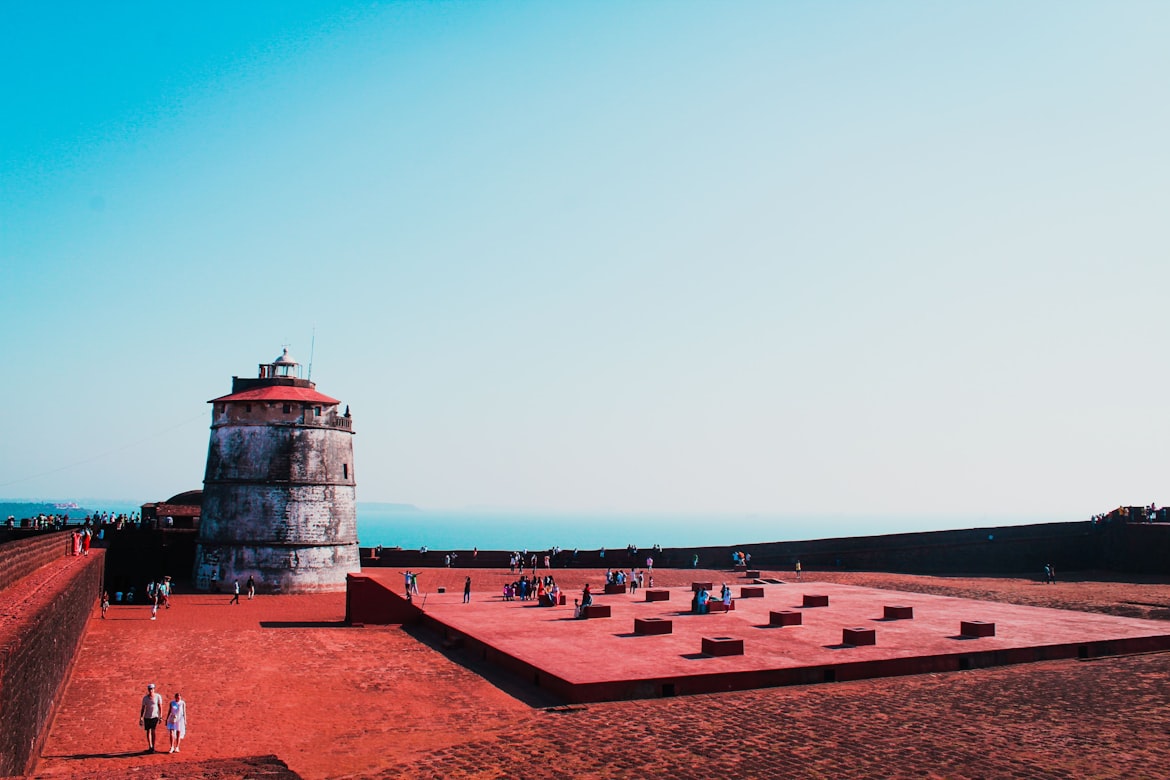
Fort Aguada is a 17th-century Portuguese fort at the northern tip of Sinquerim Beach, 12 km from Calangute. The drive from Calangute is approximately 20–25 minutes. The fort complex includes a lighthouse (one of the oldest in Asia), a cistern, and ramparts overlooking the Arabian Sea and the Mandovi river mouth. ASI entry is free. Allow 45–60 minutes. The Sinquerim Beach at the base of the fort is quiet in the morning and is a decent spot for a walk before the crowds arrive.
Late Morning: Calangute Beach
Calangute Beach is 8 km from Fort Aguada, approximately 15–20 minutes by bike. It is the longest and most commercialized beach in North Goa — 7 km of shoreline with a continuous stretch of shacks, water sports operators, hawkers, and restaurants behind the beach road. For a first-time visitor, Calangute is more useful as an orientation point than a relaxation spot. The beach is crowded from 10 AM onwards, particularly from November through January.
Water sports at Calangute: Jet skiing (Rs 500–700 per round), banana boat (Rs 200–300 per person), parasailing (Rs 800–1,200 per person). Operators are concentrated near the main Calangute beach entrance. Negotiate prices before committing — there is no fixed tariff.
Lunch at a beach shack here. Budget shacks on Calangute serve fish thali for Rs 180–250, cold beer for Rs 150–200, and grilled prawns for Rs 300–500.
Afternoon: Baga Beach
Baga Beach is 2 km north of Calangute, a 5-minute drive or a 25-minute walk along the beach. Baga is smaller than Calangute and has a more developed shack and nightlife infrastructure. The Baga Creek at the northern end is where the beach ends and the shack cluster around Tito's Lane and Club Cabana begins. During the day, Baga Beach is the better option for sitting at a shack with a drink — less hectoring from hawkers than Calangute.
Evening: Candolim
Candolim is 3 km south of Calangute and 10 minutes by bike. It is quieter than both Calangute and Baga, with a longer, less-crowded stretch of beach. The beach road behind Candolim has a cluster of mid-range restaurants and bars with outdoor seating. This is a more comfortable dinner option than eating on the busy Calangute strip. The Candolim–Sinquerim stretch at sunset is the best end to Day 1.
Day 1 Distances Summary:
- Stay (Calangute) → Fort Aguada: 12 km, 20–25 min
- Fort Aguada → Calangute Beach: 8 km, 15 min
- Calangute → Baga: 2 km, 5 min
- Baga → Candolim: 5 km, 10 min
Day 2 — Anjuna, Vagator, Chapora Fort & Evening
Morning: Anjuna Beach and Flea Market
Anjuna Beach is 9 km from Baga, approximately 20–25 minutes by bike. The beach is rocky in sections and the sea is rougher than Calangute or Baga — swimming is possible in the central stretch but it is not the best North Goa beach for that purpose. The beach shacks here are less concentrated and the overall atmosphere is more relaxed.
The Anjuna Flea Market operates every Wednesday (9 AM to sunset) and is one of the more genuine market experiences in Goa — clothing, jewelry, handicrafts, and spices sold by a mix of Kashmiri traders, local Goans, and Tibetan vendors. Prices require negotiation. If your visit falls on a Wednesday, the flea market is worth 2 hours of your morning.
Late Morning–Afternoon: Vagator Beach
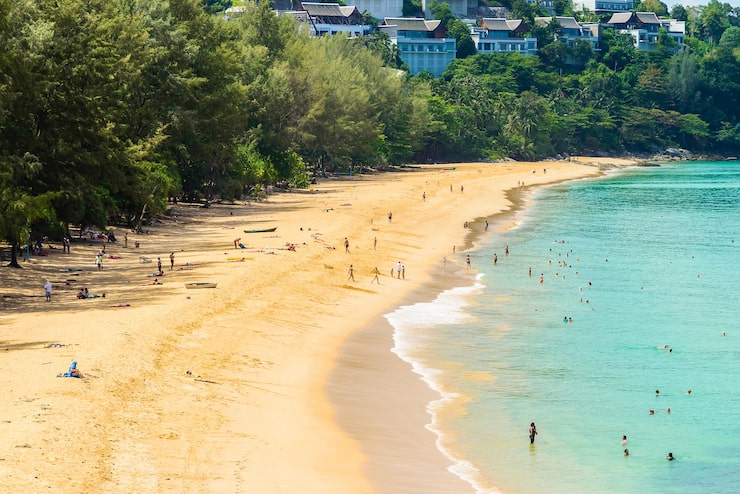
Vagator Beach is 4 km from Anjuna, approximately 10–12 minutes by bike. It is split into Big Vagator and Little Vagator (also called Ozran Beach). Little Vagator is the more visually distinctive of the two — a cove with red laterite cliffs and a smaller, less-crowded beach. The cliffs above Little Vagator are where many visitors sit to watch the sunset.
The area around Vagator is known for its café and restaurant scene. Antares Restaurant on the Vagator cliff (mid-range, Rs 800–1,500 per person) has a sea-facing position. Budget options along the road from Anjuna to Vagator include multiple shacks in the Rs 200–400 range for a meal.
Afternoon: Chapora Fort
Chapora Fort is 2 km from Vagator Beach, at the top of the Chapora hill overlooking the Chapora river and the coastline. The drive up the hill is 5–7 minutes. Entry is free. The fort walls are partially intact but structurally deteriorated — exploration is on foot across uneven ground. The primary draw is the view: the Chapora river estuary, Vagator and Morjim beaches, and the Arabian Sea. This spot has been consistently crowded since featuring in the 2001 film Dil Chahta Hai, so arrive before 4 PM to avoid the sunset crowd.
Evening: Nightlife Options
Goa's nightlife is concentrated in the Baga–Anjuna corridor. Specific options for the evening:
- Tito's Club, Baga — one of Goa's oldest clubs, operating since 1971. Cover charge Rs 500–1,000 (often includes a drink). Opens 9:30 PM onwards.
- Club Cubana, Arpora — 3 km from Baga on the Arpora hill, open-air format. Rs 1,000–1,500 entry with drinks included on some nights.
- Hill Top, Vagator — outdoor music events, particularly known for full-moon parties and psytrance nights. Entry Rs 500–1,000 depending on event.
- Shacks on Baga beach — for those who prefer a quieter evening, most Baga shacks run music and have seating through midnight during peak season.
Day 2 Distances Summary:
- Stay (Calangute) → Anjuna: 9 km, 20 min
- Anjuna → Vagator: 4 km, 10 min
- Vagator → Chapora Fort: 2 km, 7 min
- Chapora → Baga (for nightlife): 8 km, 15 min
Day 3 — South Goa: Colva, Benaulim, and Palolem
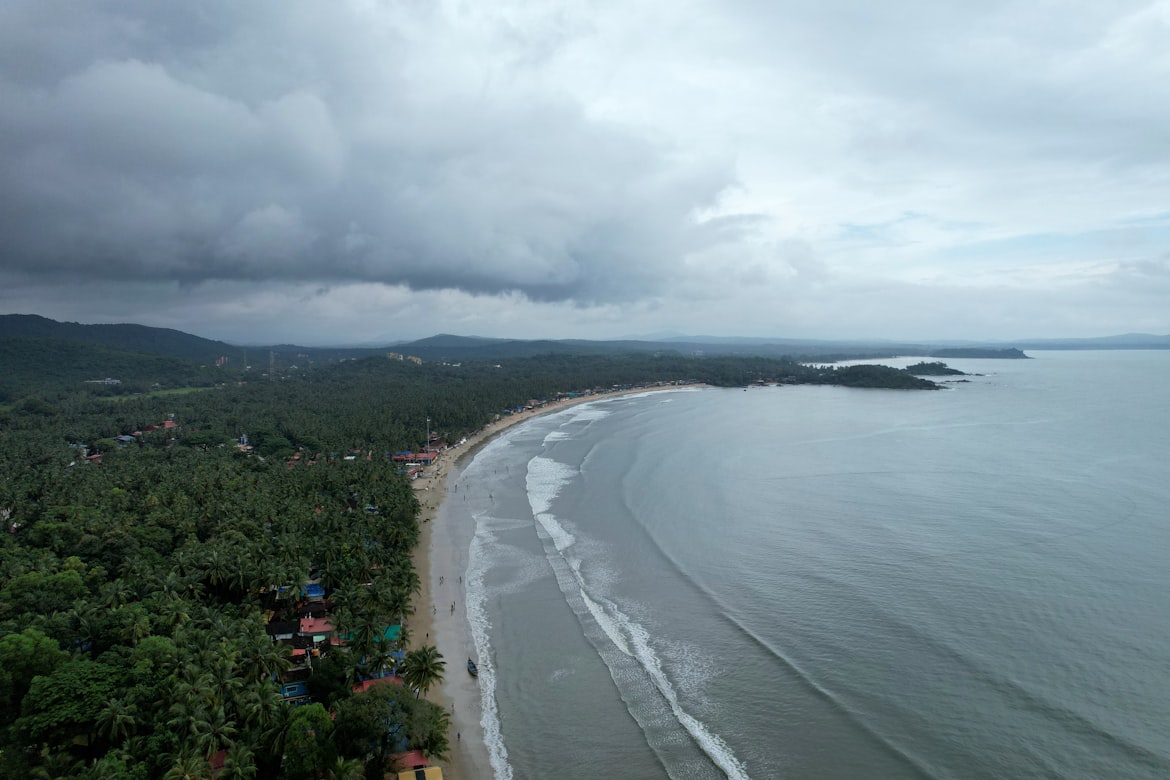
South Goa is a deliberate contrast to North Goa — fewer shacks, fewer crowds, wider and less-commercialized beaches, and a more local character. Day 3 is best spent driving south and working down the coast.
The drive from Calangute to Colva takes approximately 1 hour to 1 hour 20 minutes (45 km) via the NH66 or the inland road through Panaji. Cross the Mandovi Bridge and continue south. This is the longest drive of the three days — plan to leave by 8:30–9 AM.
Colva Beach
Colva Beach is the most developed beach in South Goa — wider and more open than most North Goa beaches, with a long stretch of white sand. The shack density is lower than Calangute. The beach is 45 km from Calangute. A fish thali lunch at a Colva shack is Rs 180–250 and the seafood quality (pomfret, kingfish, crabs) is consistently cited as better on the South Goa coast.
Benaulim Beach
Benaulim is 2 km south of Colva, approximately 5–7 minutes by bike. It is quieter than Colva with a more relaxed cluster of shacks. The beach access road passes through a residential village, which is typical of South Goa's less-developed character. The main Benaulim beach cross is a known landmark. If you want one South Goa beach to sit at for an hour, Benaulim is more pleasant than Colva for that purpose.
Palolem Beach
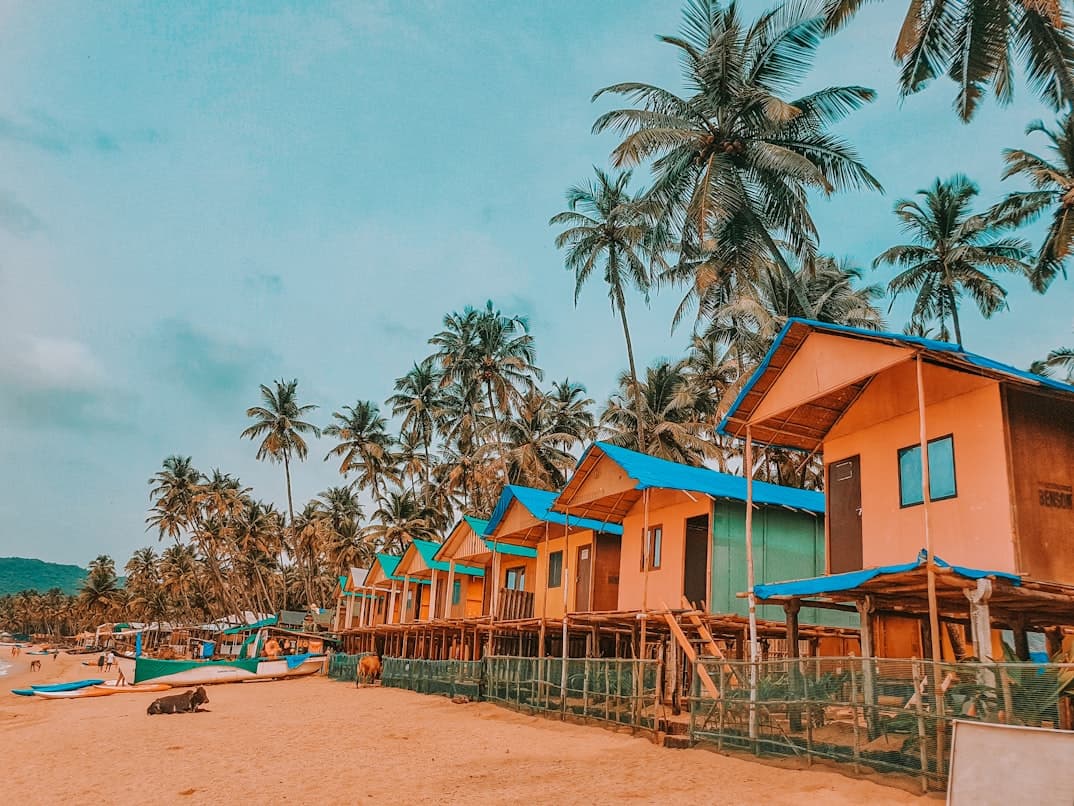
Palolem is 65 km south of Colva, approximately 1 hour 15 minutes to 1 hour 30 minutes by bike or cab. It is at the southern end of the tourist belt in Goa, close to the Karnataka border. Palolem is a crescent-shaped beach with a calmer sea than the North Goa beaches — the bay geometry reduces wave action, making it more suitable for swimming. Beach huts (bamboo huts directly on the sand) are available from Rs 800–3,000 per night depending on season, if you choose to stay overnight.
For a Day 3 visit, reach Palolem by 2:30–3 PM, spend 2 hours on the beach, and begin the return to North Goa or head directly to Dabolim Airport (45 km from Palolem, approximately 1 hour) if flying out on Day 3 evening.
Day 3 Distances Summary:
- Calangute → Colva: 45 km, 1 hr 10 min
- Colva → Benaulim: 2 km, 5 min
- Benaulim → Palolem: 65 km, 1 hr 20 min
- Palolem → Dabolim Airport: 45 km, 1 hr
Estimated Budget Breakdown (Per Person, 3 Days)
Travel to/from Goa
| Route | Mode | Approx. Cost (One Way) |
|---|---|---|
| Mumbai → Goa | Flight (IndiGo/Air India) | Rs 2,500–5,000 |
| Delhi → Goa | Flight | Rs 4,000–8,000 |
| Bangalore → Goa | Flight | Rs 2,000–4,500 |
| Pune → Goa | Bus (Volvo overnight) | Rs 700–1,200 |
| Mumbai → Goa | Train (Mandovi/Konkan Kanya, sleeper) | Rs 350–600 |
Peak season (Dec 20–Jan 5) flight prices can be 2–3x the above figures. Book at least 4–6 weeks in advance.
Accommodation (Per Room Per Night, North Goa)
| Type | Peak Season (Nov–Jan) | Off-Season (Feb–Oct) |
|---|---|---|
| Budget guesthouse / hostel dorm | Rs 600–1,200 | Rs 300–700 |
| Budget private room | Rs 1,200–2,500 | Rs 700–1,500 |
| Mid-range hotel (AC, near beach) | Rs 3,000–6,000 | Rs 1,500–3,000 |
| Beach resort (Calangute/Candolim) | Rs 6,000–15,000 | Rs 3,000–7,000 |
Food (Per Day Per Person)
| Eating Style | Daily Cost |
|---|---|
| Budget (shacks, local eateries, fish thali) | Rs 400–700 |
| Mid-range (sit-down restaurants, beer included) | Rs 800–1,500 |
| Upscale (Antares, Gunpowder-style) | Rs 1,500–3,000 |
Bike Rental
| Type | Daily Rate (Peak) | Daily Rate (Off-Season) |
|---|---|---|
| Activa 110cc (without fuel) | Rs 350–500 | Rs 250–350 |
| Royal Enfield 350cc | Rs 600–900 | Rs 400–600 |
Fuel consumption: Activa covers approximately 45–50 km per litre. Budget Rs 150–200/day in fuel for North Goa coverage.
Activities
| Activity | Cost Per Person |
|---|---|
| Water sports (Calangute, full set) | Rs 1,000–1,500 |
| Parasailing | Rs 800–1,200 |
| Scuba diving (Baga/Grande Island) | Rs 3,000–5,000 |
| Dudhsagar Falls day trip (jeep) | Rs 1,000–1,500 |
| Nightclub entry (with 1 drink) | Rs 500–1,200 |
Total Estimated Budget (3 Days, Excluding Flights)
| Category | Budget Traveler | Mid-Range Traveler |
|---|---|---|
| Accommodation (3 nights, per person, shared) | Rs 2,000–3,500 | Rs 5,000–9,000 |
| Food (3 days) | Rs 1,500–2,000 | Rs 3,000–5,000 |
| Bike rental + fuel (3 days) | Rs 1,200–1,800 | Rs 1,500–2,500 |
| Activities | Rs 500–1,000 | Rs 2,000–4,000 |
| Miscellaneous (entry fees, market shopping) | Rs 500–1,000 | Rs 1,000–2,000 |
| 3-Day Total (per person, ex-flights) | Rs 5,700–9,300 | Rs 12,500–22,500 |
Best Time to Visit Goa
November to February (Peak Season): This is when Goa is at its most operational — all shacks are open, nightlife is active, water sports run daily, and the weather is consistently dry with temperatures of 25–32°C. December 20 to January 5 is the most crowded and expensive window of the year. New Year's Eve in Goa involves Rs 3,000–5,000 entry fees at most clubs and beach parties, hotel prices double or triple, and beaches reach capacity. If visiting in December, the first three weeks are considerably better value than Christmas–New Year.
September to October (Shoulder Season): Monsoon ends in Goa by late September. October is underrated — the vegetation is green, the sea is calming down, most shacks reopen from late September, and prices are 30–50% below peak rates. Crowds are minimal. The compromise is that some shacks and hotels operate on limited schedules through October.
March to May: Warm and increasingly humid. Temperatures climb to 35–38°C by April and May. Water is warm and clear, the beaches are less crowded than December–January, and prices are mid-range. Not comfortable for extended daytime outdoor activity.
June to August (Monsoon): Most beach shacks close. Helicopter and cruise services suspend. Many hotels offer deep discounts (50–70% off peak rates). The sea is rough and swimming is unsafe. Goa in monsoon is a different experience — quieter, greener, and cheap — but not the Goa most first-time visitors are planning for.
Travel Tips
Bike vs Car Rental
A two-wheeler (Activa or scooter) is the standard and most practical mode of transport in Goa. Roads between the major beaches are manageable, parking is easier, and the cost is significantly lower than a car rental (Rs 1,500–2,500/day). Rent from local shops in Calangute, Baga, or Anjuna rather than hotel desks, which charge a premium. Carry your driving licence — police checkpoints are regular on Goa's beach roads and fines for riding without a licence are Rs 500–1,000 per instance.
Car rental makes sense if traveling as a group of 4–5 or if South Goa is a significant part of your plan — the 45–65 km stretches are more comfortable in a car, particularly for an evening return. Self-drive cars (Maruti Ertiga, Swift) are available for Rs 1,500–2,500/day from local operators.
Safety
- Do not swim at beaches that have red flags displayed — these indicate unsafe sea conditions. Vagator and Anjuna are rougher beaches where drowning incidents occur annually.
- Drink spiking incidents at clubs have been reported over the years — keep your drink with you and accept drinks only from the bar directly.
- Petty theft (phone, wallet) from beach bags while swimming is the most common crime targeting tourists. Use your accommodation locker.
- For women traveling alone or in groups: North Goa's main beach belt (Calangute–Baga–Candolim) is relatively safe but late-night walking on quiet stretches is not advisable. Travel by bike or cab after midnight rather than on foot.
Crowd Levels
Calangute and Baga are the most crowded beaches in Goa at any time of year and particularly overwhelming during Christmas–New Year. If crowd density bothers you, Candolim (3 km south), Morjim (20 km north), or any South Goa beach will give you a significantly calmer experience. The same applies to accommodation — properties 1–2 km off the main Calangute beach road are quieter and cheaper than those directly on it.
Frequently Asked Questions
1. How much does a 3-day Goa trip cost from Mumbai for two people?
A budget 3-day trip from Mumbai for two people can realistically be done for Rs 18,000–28,000 total including flights (budget Rs 5,000–10,000 for both on IndiGo or Air India if booked in advance), accommodation (Rs 4,000–6,000 for 3 nights in a shared double room at a budget guesthouse), food (Rs 3,000–4,500), bike rental (Rs 2,500–3,500), and activities and incidentals (Rs 1,500–3,000). Mid-range travel for two — with a decent AC hotel, regular restaurant meals, and a night out — runs Rs 45,000–65,000 including flights. The biggest cost variable is flight timing: December peak rates can be 2–3x the September or October fare for the same route.
2. Is it safe to rent a bike in Goa as a first-time visitor?
It is safe provided you have a valid two-wheeler driving licence and ride at appropriate speeds on the narrow beach roads. Goa's roads between beaches are generally well-maintained on the main routes but have speed bumps, narrow sections, and unlit stretches after dark. The primary risk is from other vehicles and from overconfident riding on unfamiliar roads. Wear a helmet — the rule is enforced with spot fines. Avoid riding after drinking. If you have not ridden a two-wheeler before, hire a driver or use cabs rather than attempting to learn in an unfamiliar environment.
3. Which area in Goa should a first-time visitor stay in?
The Calangute–Baga–Candolim corridor in North Goa is the most practical base for a first trip. It is centrally located for Day 1 and Day 2 activities, has the highest density of accommodation options across all budgets, is close to the airport (40 km from Dabolim), and has a good range of restaurants and services. For a quieter North Goa base with proximity to Anjuna and Vagator, Arpora (4 km from Baga) is a reasonable alternative. First-time visitors should avoid basing in South Goa unless they specifically want a slower, less social trip — South Goa is further from the airport and most North Goa attractions are an hour or more away.
4. Do I need to book Goa activities and clubs in advance?
Water sports at Calangute and Baga operate on a walk-up basis during peak season — no advance booking needed. Major clubs like Tito's and Club Cubana don't require advance reservations but entry lines are long on weekends from December to January. For New Year's Eve parties, beach parties, and special music events, tickets sell out weeks in advance and prices are set significantly higher than regular nights. Scuba diving operators (at Baga or for Grande Island trips) can be booked on the day during non-peak months but benefit from advance booking in December–January. Dudhsagar Falls jeep tours can be booked through any travel agent in Calangute for the following day.
5. Is Goa worth visiting in September or October?
For budget-conscious travelers who are flexible on dates, September and October offer the best value in Goa. Peak season prices drop by 30–50% on accommodation, flights cost less, and the beaches are far less crowded. The monsoon ends by late September in most years, and October sees increasingly clear weather with the landscape still green. Most major shacks reopen from the last week of September. The tradeoff is that some beach establishments operate on reduced schedules, and the sea can still be choppy in early October. By mid-October, conditions are generally good. November gives you all the benefits of good weather with shacks fully operational — it is considered the best month by many repeat visitors who want to avoid the December–January surge.