Best Hill Stations in Uttarakhand (2026 Guide with Budget & Best Time)
Detailed guide to the best hill stations in Uttarakhand including Mussoorie, Nainital, Auli, Chopta, Ranikhet, Lansdowne and Kausani with distances, budgets and travel tips.
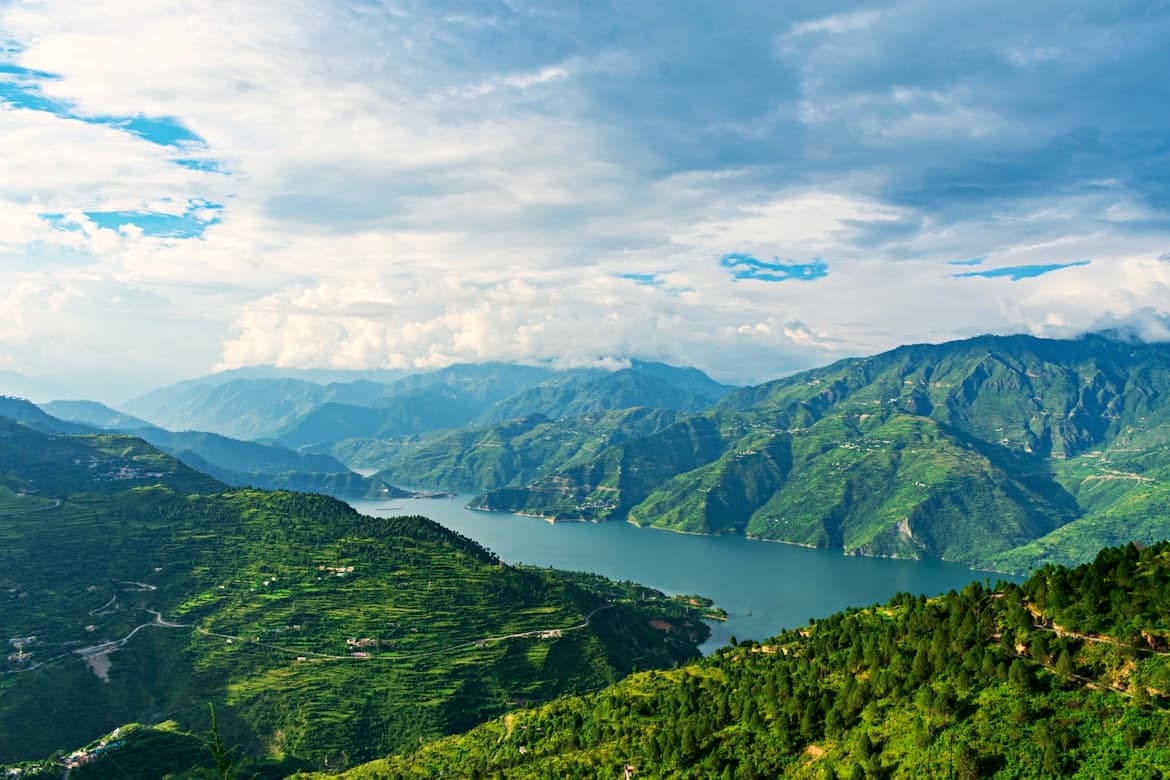
Best Hill Stations in Uttarakhand (2026 Guide with Budget & Best Time)
Introduction
Uttarakhand has more hill stations than most Indian travelers have visited, and each one serves a different kind of trip. Mussoorie and Nainital are accessible, well-developed, and suited for family or weekend travel from Delhi. Auli is the right destination if skiing or high-altitude trekking is the priority. Chopta offers a genuine Himalayan experience without the crowds of more popular names. Ranikhet, Lansdowne, and Kausani are quieter, cheaper, and undervisited given their quality.
The problem with most Uttarakhand travel content is that it treats these destinations interchangeably. They are not. Road distances, crowd levels, accommodation quality, seasonal accessibility, and purpose differ significantly between them. This guide breaks down seven of the most practical hill station choices in Uttarakhand for Indian travelers planning trips in 2026 — with distances from Delhi, realistic budgets, and specific attractions rather than broad generalisations.
All distances mentioned are by road from Delhi (via NH58, NH307, or NH34 as applicable).
Quick Comparison Table
| Hill Station | Distance from Delhi | Best Time to Visit | Ideal Duration | Approx. Budget (per person, 2 nights) |
|---|---|---|---|---|
| Mussoorie | 290 km | March–June, Sept–Nov | 2–3 days | Rs 4,000–12,000 |
| Nainital | 310 km | March–June, Oct–Nov | 2–3 days | Rs 3,500–10,000 |
| Auli | 500 km | Dec–March (skiing), May–June (trek) | 3–4 days | Rs 6,000–15,000 |
| Ranikhet | 350 km | March–June, Sept–Nov | 2–3 days | Rs 2,500–7,000 |
| Chopta | 450 km | April–June, Sept–Nov | 2–3 days | Rs 2,000–5,000 |
| Lansdowne | 260 km | March–June, Sept–Nov | 1–2 days | Rs 2,000–6,000 |
| Kausani | 410 km | March–June, Sept–Nov | 2–3 days | Rs 2,500–7,000 |
Top Hill Stations in Uttarakhand
1. Mussoorie
Altitude: 2,005 metres | Distance from Delhi: ~290 km | Nearest railway station: Dehradun (35 km)
Why Visit
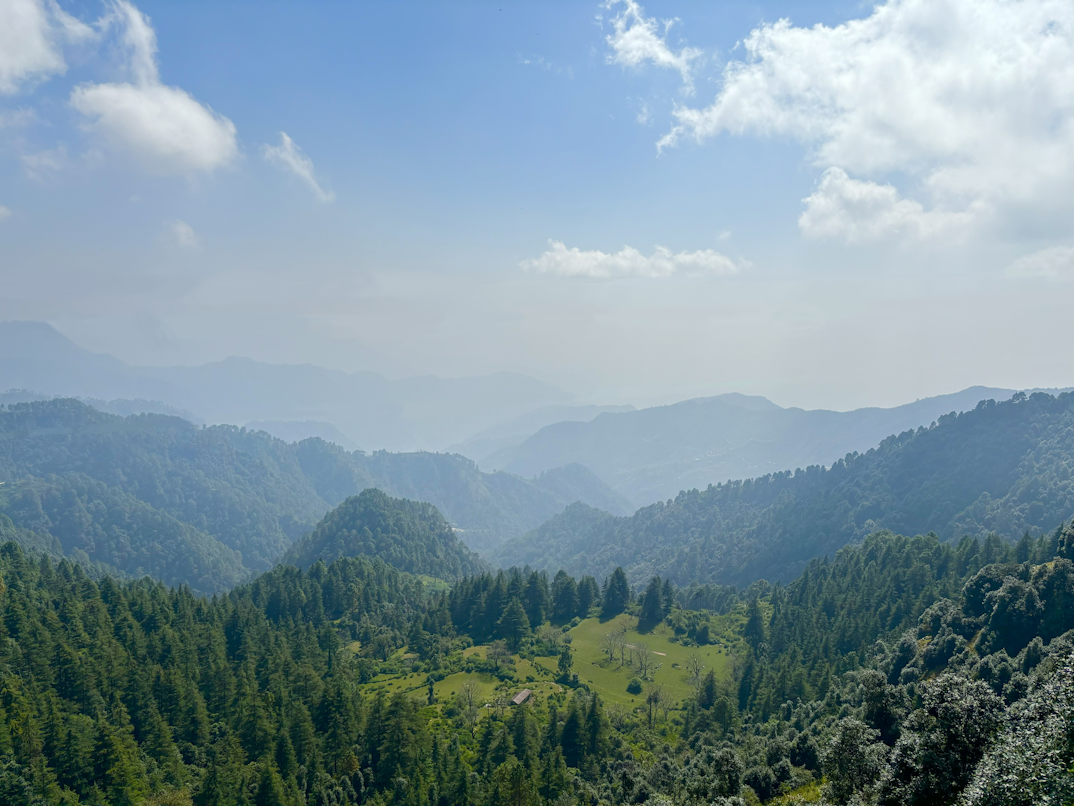
Mussoorie is the closest Himalayan hill station to Delhi and the most developed in terms of accommodation, food options, and year-round accessibility. The Mall Road functions as the commercial and social hub, connecting Kulri Bazaar in the east to Library Chowk in the west. Despite its popularity, Mussoorie has specific attractions that justify the trip — and timing your visit outside the May–June peak makes the experience considerably more comfortable.
Best Time
Mid-March to mid-June for pleasant temperatures (8–20°C). Post-monsoon September to November for clear views and minimal crowds. Avoid late June through August — heavy rainfall causes landslides on the Dehradun–Mussoorie road.
Key Attractions
Gun Hill is the second-highest point in Mussoorie at 2,122 metres, reachable by ropeway from Kulri Bazaar in approximately 5 minutes. On clear days, you can see the Bandarpunch, Srikanta, and Gangotri ranges. Kempty Falls, 15 km from Mussoorie on the Chakrata road, is a 40-metre waterfall set in a gorge — it gets crowded but remains worth the stop if you arrive before 9 AM. Lal Tibba, the highest point in Mussoorie at 2,275 metres, has a telescope through which peaks like Kedarnath and Badrinath are visible on clear winter mornings. Camel's Back Road is a 3 km circular trail with views of the Doon Valley — best walked at sunrise. Cloud End, 8 km west of Mall Road, is a quieter end of the hill with forest walks and a colonial-era hotel.
Ideal Duration
2 nights / 3 days is sufficient to cover the main attractions without rushing.
2. Nainital
Altitude: 2,084 metres | Distance from Delhi: ~310 km | Nearest railway station: Kathgodam (35 km)
Why Visit
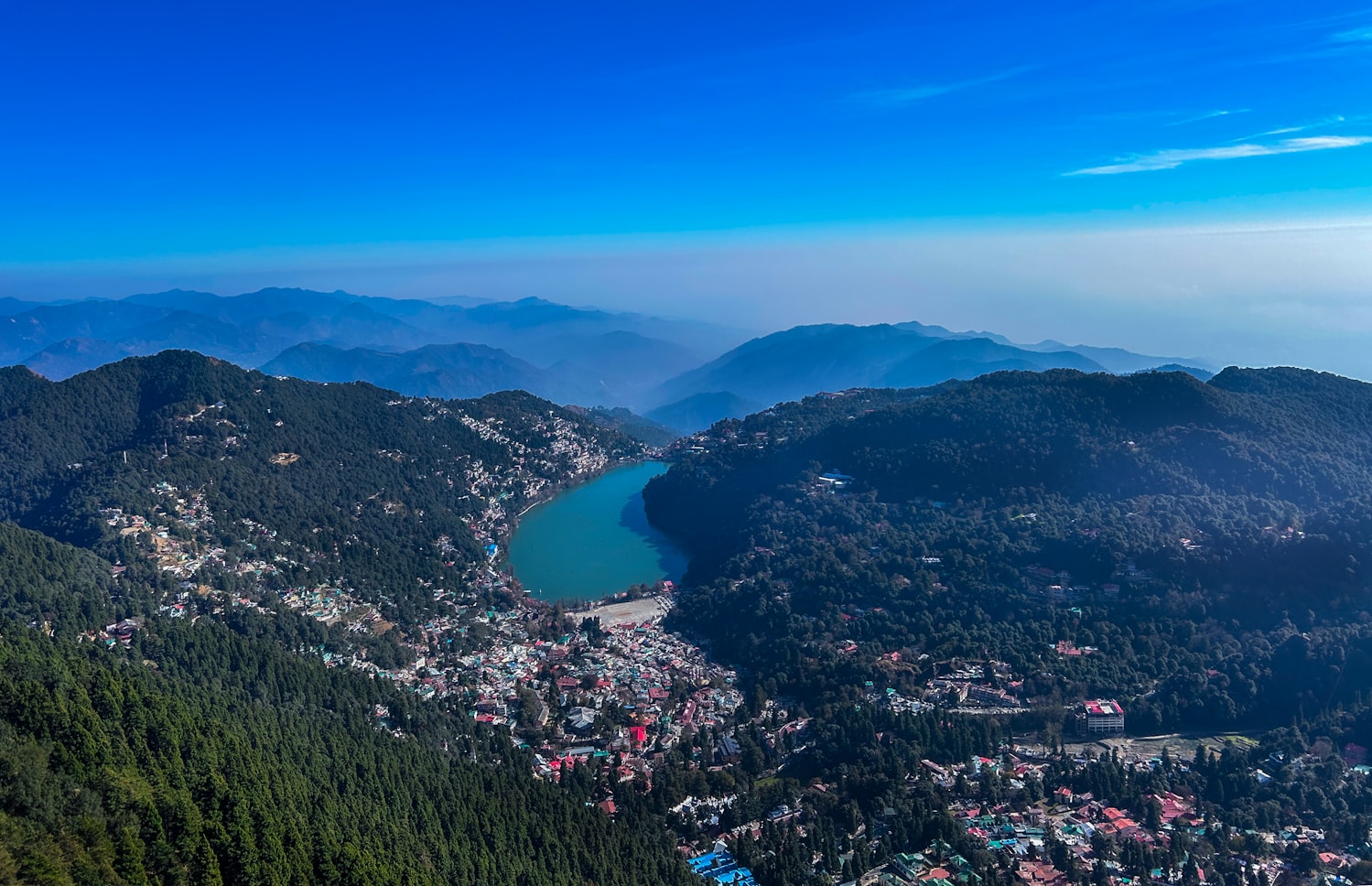
Nainital is built around Naini Lake, a 1.5 km long natural lake that serves as the focal point of the town. The surrounding forested ridges, colonial-era buildings on Mall Road, and cable car to Snow View Point make it one of the more complete hill station experiences in the state. It is better connected by train than Mussoorie (Shatabdi Express to Kathgodam), making it a practical choice for those travelling without a car.
Best Time
March to June is peak tourist season with temperatures between 10–25°C. October and November offer cleaner air and fewer crowds. Nainital receives heavy snowfall in December and January — roads can close, and many hotels shut for the season.
Key Attractions
Naini Lake is the central attraction — rowing boats and paddleboats are available for hire at the Tallital Boat Jetty for Rs 200–400 per 30 minutes. The 3.5 km walk around the lake along the Mall Road is a practical way to see the town. Snow View Point at 2,270 metres is accessible by ropeway from Mallital (Rs 150–200 return) and offers views of Nanda Devi, Trishul, and Nanda Kot peaks on clear mornings. Tiffin Top (Dorothy's Seat) is a 4 km trek from Ayarpatta and reaches 2,292 metres — good views of Nainital town and the Kumaon ranges. Naina Devi Temple, located on the north shore of Naini Lake, is a Shakti Peetha and a significant religious site on the yatra circuit. Eco Cave Gardens near Mallital is a geological formation of six interconnected caves — worth 45 minutes.
Ideal Duration
2 nights / 3 days for the town. Add a day if you plan to visit Bhimtal (22 km), Naukuchiatal (26 km), or Sattal (23 km) — smaller, quieter lakes in the Kumaon region.
3. Auli
Altitude: 2,519 metres | Distance from Delhi: ~500 km | Nearest railway station: Haridwar (273 km) / Jolly Grant Airport, Dehradun (280 km)
Why Visit
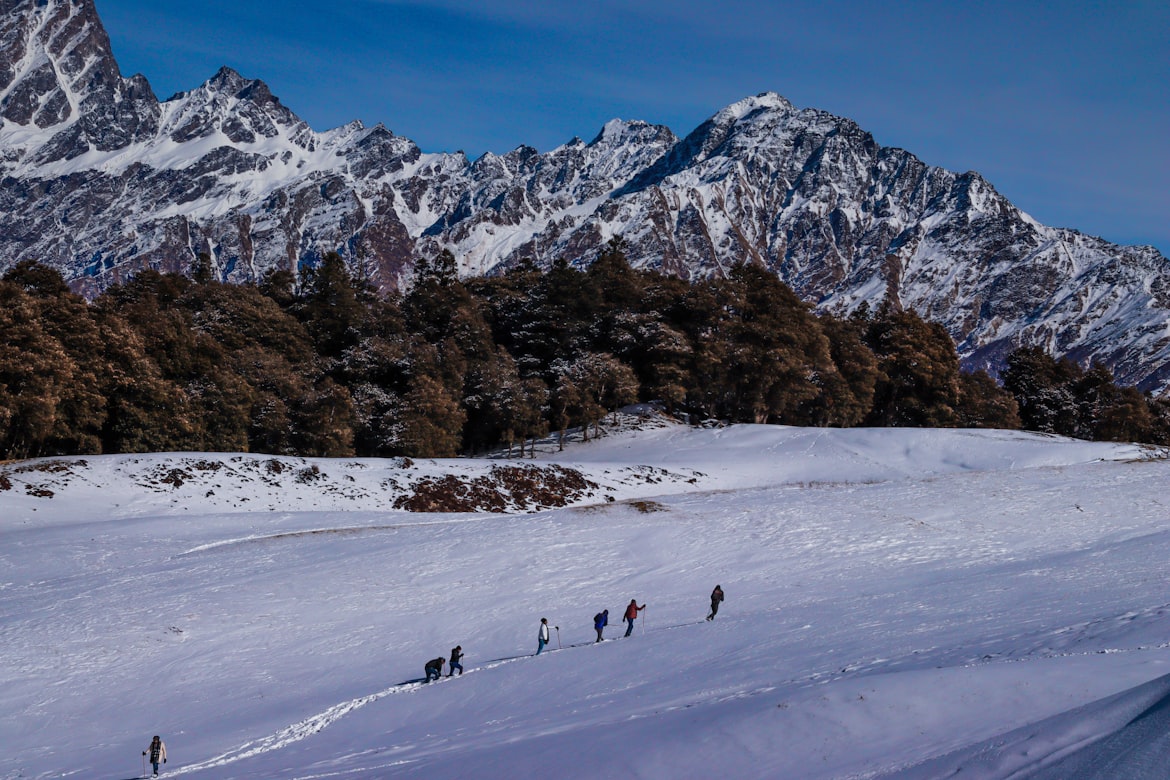
Auli is primarily a ski destination, operated largely by GMVN (Garhwal Mandal Vikas Nigam). It has 10 ski slopes ranging from beginner to advanced, with a certified ski school and equipment rental. Outside ski season, the meadows at Auli provide clear views of Nanda Devi (7,816 m), India's second-highest peak, and serve as a base for trekking into Kuari Pass and the Valley of Flowers region. It is more purposeful than scenic — you come here for skiing, trekking, or the ropeway, not for a generic hill station experience.
Best Time
Skiing: Mid-December to March. Natural snow is reliable from January onwards. Trekking and sightseeing: May to June, and September to November. Auli remains accessible but cold (below 0°C at night) in winter.
Key Attractions
Auli Ropeway is one of Asia's longest gondola cable cars — 4 km, connecting Joshimath (1,890 m) to Auli (2,519 m) in approximately 25 minutes. The ropeway operates year-round and costs approximately Rs 1,000–1,500 return. Auli Ski Resort (GMVN) offers 7-day and 14-day ski training courses from January to March — equipment is included in the package cost. Kuari Pass Trek starts from Auli or Dhak village and is a 4–5 day moderate trek reaching 3,640 metres, passing through oak and rhododendron forests. Gorson Bugyal is an alpine meadow 3 km from Auli accessible on foot or horseback, with direct views of the Nanda Devi massif. Chattrakund Lake, 4 km from Auli, is a small glacial lake at 2,800 metres — a half-day walk from the ski slopes.
Ideal Duration
3–4 days (longer if taking ski training).
4. Ranikhet
Altitude: 1,829 metres | Distance from Delhi: ~350 km | Nearest railway station: Kathgodam (80 km)
Why Visit
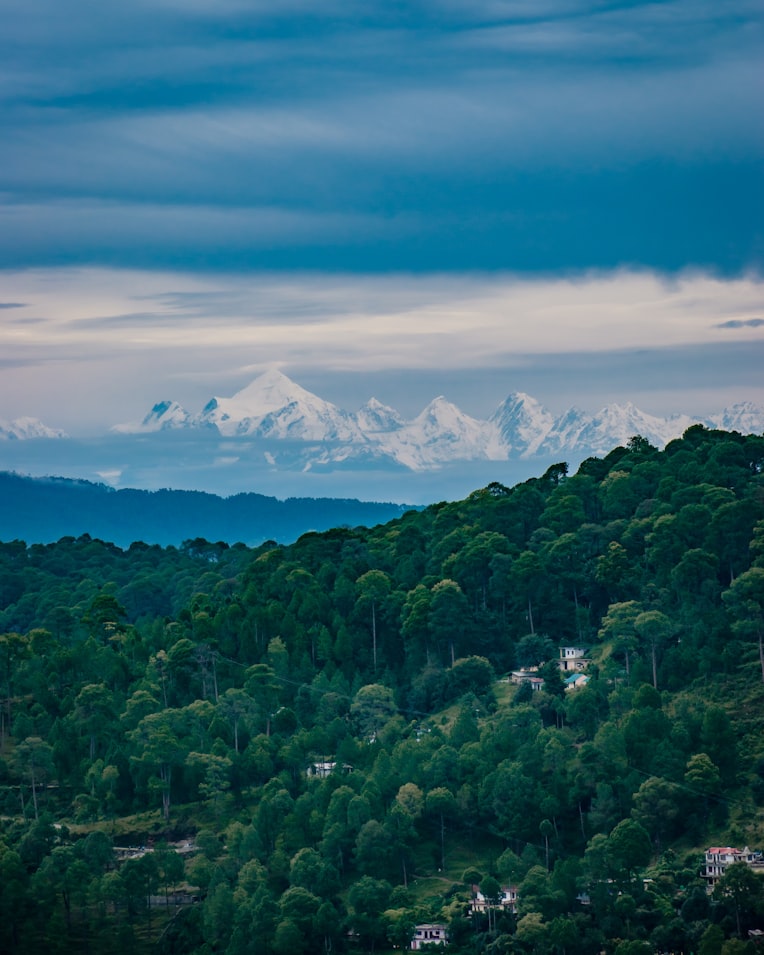
Ranikhet is a cantonment town administered by the Kumaon Regiment and is considerably quieter than Mussoorie or Nainital. The military administration has kept commercial overdevelopment in check, which means the roads are cleaner, the forests denser, and the overall character of the town more restrained. It is not a destination for nightlife or shopping but is excellent for unhurried walks, golf, and views of the central Himalayan peaks.
Best Time
March to June and September to November. Winters are cold but manageable (2–8°C in December–January). Snowfall is occasional and not as heavy as Auli or Munsiyari.
Key Attractions
Chaubatia Orchards — a 600-acre government fruit research garden located 10 km from Ranikhet town with apple, pear, peach, and plum orchards. Entry is free and the orchard road provides clear views of Nanda Devi, Trishul, and Nandaghunti on clear days. Ranikhet Golf Course, maintained by the Indian Army, is one of the oldest and highest golf courses in Asia at 1,829 metres. Temporary memberships for tourists are available. Jhula Devi Temple, 7 km from the main bazaar, is a Durga temple where devotees tie bells as offerings — thousands of bells hanging inside and around the temple make it visually distinctive. Binsar Wildlife Sanctuary, 35 km from Ranikhet, is an oak-forested sanctuary known for leopard, barking deer, and Himalayan birds. The Zero Point inside the sanctuary provides a 300 km panoramic view of the Kumaon Himalayan range.
Ideal Duration
2 nights / 3 days.
5. Chopta
Altitude: 2,680 metres | Distance from Delhi: ~450 km | Nearest railway station: Haridwar (225 km) / Rishikesh (210 km)
Why Visit
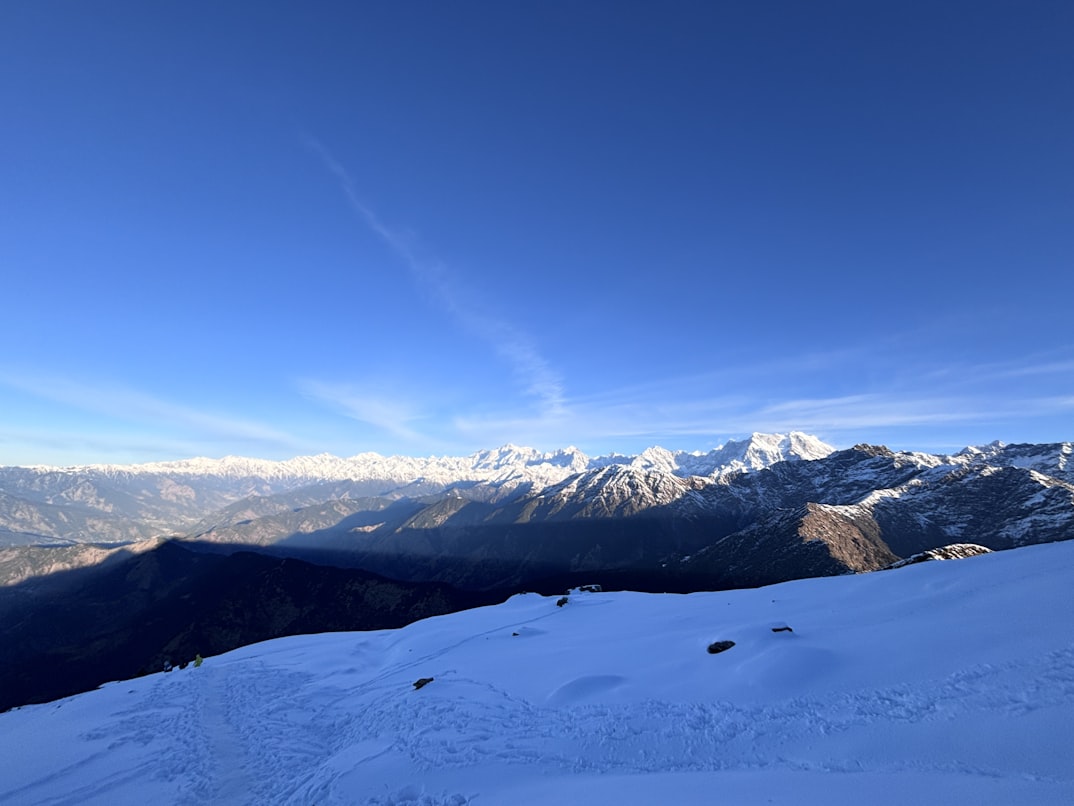
Chopta is a small settlement and meadow in the Kedarnath Wildlife Sanctuary, primarily known as the base for the Tungnath–Chandrashila trek. It is not a conventional hill station — there are no malls, no cable cars, no organized attractions. What it offers is accessibility to some of the best short treks in the Garhwal Himalaya. During winter (December–February), the area receives heavy snowfall and the trek to Tungnath becomes a snow trek.
Best Time
April to June (rhododendron bloom, snow melt, clear views) and September to November (post-monsoon clarity). December to February for snow trekking — but accommodation options reduce sharply.
Key Attractions
Tungnath Temple at 3,680 metres is the highest Shiva temple in the world and part of the Panch Kedar circuit. The trek from Chopta to Tungnath is 3.5 km one way, gaining 700 metres of elevation, and takes 2–3 hours up and 1.5–2 hours down. Chandrashila Peak at 4,130 metres is 1.5 km beyond Tungnath and offers unobstructed views of Nanda Devi, Kedarnath, Kedar Dome, Bandarpunch, and Chaukhamba. Deoria Tal is a glacial lake at 2,438 metres, 3 km trek from Sari village (15 km from Chopta) — the reflection of Chaukhamba peaks in the lake is clearest at dawn. Rohini Bugyal and Dugalbitta are meadow camping spots between Chopta and Ukhimath, accessible by road and short walks.
Ideal Duration
2 nights / 3 days — one day for Tungnath–Chandrashila trek, one for Deoria Tal.

6. Lansdowne
Altitude: 1,706 metres | Distance from Delhi: ~260 km | Nearest railway station: Kotdwar (40 km)
Why Visit
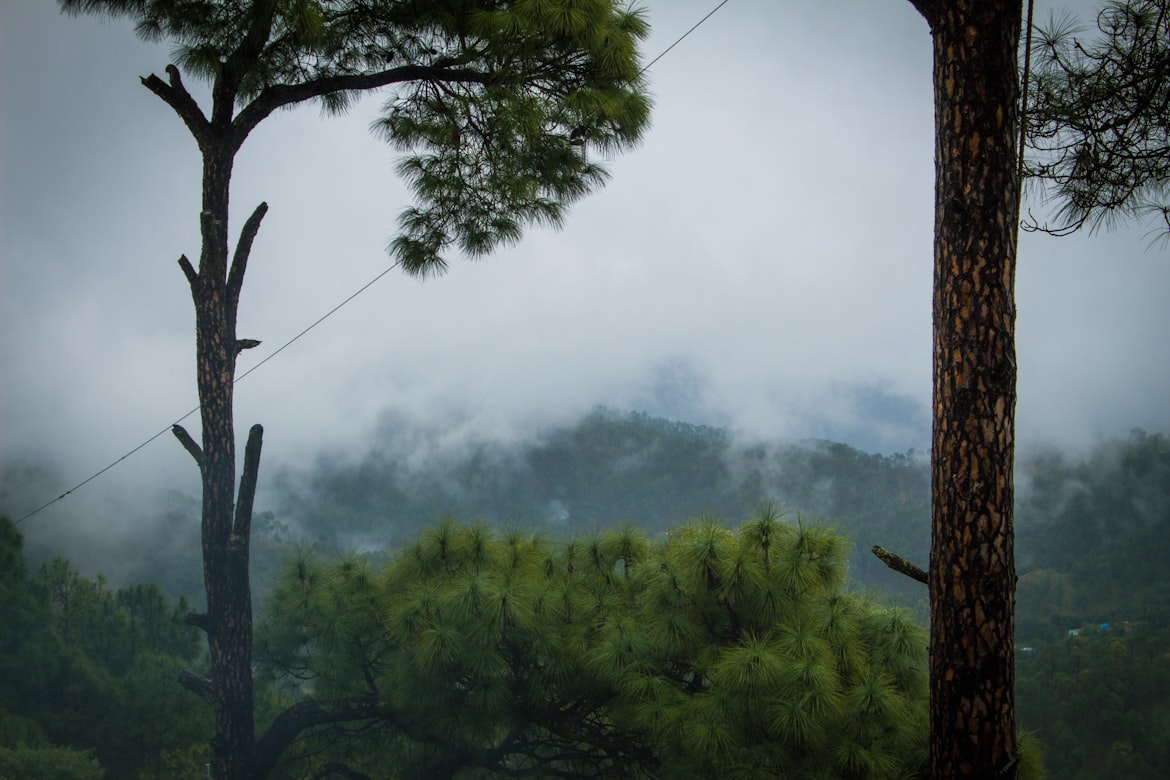
Lansdowne is the closest proper hill station to Delhi that most travelers have not visited. It is a cantonment town maintained by the Garhwal Rifles, and the orderly upkeep reflects that. There are no major tourist attractions in the conventional sense, but the oak and blue pine forests, the absence of commercial tourist infrastructure, and the short road distance make it a practical weekend destination from Delhi.
Best Time
March to June and September to November. December and January are cold (2–7°C) with occasional frost.
Key Attractions
Tip-in-Top (Tiffin Top) is a viewpoint 1.5 km from the main market with sunset views over the Shivalik ranges. Bhulla Tal is a small artificial lake near the Garhwal Rifles Regimental Centre — paddle boats available for Rs 50–100 per round. St. Mary's Church (built 1895) and the Garhwal Rifles War Memorial are worth visiting for their colonial and military heritage. Tarkeshwar Mahadev Temple, 38 km from Lansdowne, is an ancient Shiva temple in dense oak and deodar forest at 2,092 metres — the drive alone is worth the trip.
Ideal Duration
1–2 days. Lansdowne works better as a single overnight trip or as a stop en route to Lansdowne–Pauri–Chopta circuit.
7. Kausani
Altitude: 1,890 metres | Distance from Delhi: ~410 km | Nearest railway station: Kathgodam (132 km)
Why Visit
Kausani is a ridge-top village in Bageshwar district with one of the widest unobstructed Himalayan panoramas in the Kumaon region. On clear mornings from October to March, peaks from Nanda Devi (7,816 m) to Panchachuli (6,904 m) — spanning 300 km of the Himalayan range — are visible from the ridge. Mahatma Gandhi called it "India's Switzerland" during his 1929 visit, primarily for this view. It is quieter than Nainital and cheaper than Mussoorie, with a settled village character rather than a commercial hill station atmosphere.
Best Time
October to March for the clearest Himalayan views. March to May for the rhododendron bloom in surrounding forests. July–August monsoon obscures all distant views.
Key Attractions
Anasakti Ashram, where Gandhi spent 12 days in 1929, is now a museum and active ashram with an evening prayer that is open to all. Rudradhari Falls and Caves, 12 km from Kausani at Someshwar, is a 2-tiered waterfall in a forest gorge — a half-day trip. Baijnath Temple, 17 km from Kausani on the Bageshwar road, is a group of 18 medieval stone temples from the 12th–13th century built on the banks of the Gomti river — one of the more significant archaeological sites in Kumaon. Pindari Glacier Trek and Kafni Glacier Trek both start from Song village, accessible via Baijnath (35 km from Kausani) — 5–7 day treks for those wanting a longer Himalayan route.
Ideal Duration
2 nights / 3 days. Stay on the ridge — hotels on the Kausani ridge face northeast and directly towards the Himalayan range.
Best Time to Visit Hill Stations in Uttarakhand
March to June is the primary tourist season. Temperatures across most stations range from 10–25°C during the day, making it the most comfortable period for travel. Roads are clear, hotels are fully operational, and most trekking routes are accessible. The downside is higher hotel prices and crowds at Mussoorie and Nainital from April 15 onwards through the school holiday period.
September to November is arguably the better season for experienced travelers. Post-monsoon skies are clear, Himalayan peaks are sharply visible, and hotel rates drop by 20–40% compared to summer peak. October is particularly good — all routes are open, the light is excellent for photography, and temperatures remain manageable (5–18°C during the day at most altitudes).
December to February works for Auli (skiing) and for those specifically seeking snow at Munsiyari or Chopta. Most other stations remain accessible but are cold, partially shut, and have limited restaurant and hotel operations.
July and August: Avoid unless your destination is below 1,500 metres. Heavy monsoon rainfall causes frequent landslides across NH58 (Rishikesh–Badrinath) and NH309 (Tanakpur–Pithoragarh). Road blockages of 12–48 hours are common.
Budget Travel Tips
Transport: Bus travel from Delhi's Anand Vihar ISBT to Kathgodam (for Nainital, Ranikhet, Kausani) and to Dehradun (for Mussoorie) is significantly cheaper than taxis. Volvo AC buses cost Rs 700–1,100 per person one way versus Rs 4,000–6,000 for a private taxi. For Chopta and Auli, shared jeeps from Rishikesh or Haridwar reduce per-person costs.
Accommodation: Avoid booking through OTAs for smaller stations like Lansdowne, Chopta, and Ranikhet — call hotels directly. Many small properties offer 15–25% discounts on direct bookings. GMVN guesthouses at Auli, Chopta (Tungnath), and Deoria Tal are budget-friendly and reliable, with rates between Rs 800–2,000 per room.
Food: Eating at local dhabas and Kumaoni restaurants rather than hotel dining rooms reduces meal costs from Rs 400–600 per meal to Rs 100–200 per meal. Kumaoni dal, bhatt ki churkani, and aloo ke gutke are local dishes available at dhabas in Ranikhet, Kausani, and Almora.
Offseason Travel: Visiting Mussoorie or Nainital in September–October instead of May–June can reduce hotel costs by 30–50%. The experience is also more comfortable — fewer vehicles on Mall Road, no queue for the ropeway, restaurants with available tables.
Avoid Day-Trips from Delhi: Attempting Mussoorie or Nainital as a day trip from Delhi (600 km round trip) means spending most of the day in transit. An overnight stay is the minimum to make the trip worthwhile.
Frequently Asked Questions
1. Which is better for a 2-day trip from Delhi — Mussoorie or Nainital?
Both are roughly equidistant at 290–310 km. Mussoorie has a slight edge for road trips because Dehradun is a well-connected junction city and the drive via Haridwar–Rishikesh is scenic. Nainital has better train connectivity via the Shatabdi Express to Kathgodam, making it more practical for those travelling without a vehicle. If your priority is the lake and rowing, choose Nainital. If you want a larger town with more dining options and a ropeway, choose Mussoorie. Both are heavily crowded from late April through June, so mid-week travel is advisable if timing allows.
2. Is Chopta accessible by public transport?
Chopta does not have direct bus services from Delhi or Haridwar. The most practical route is to take a bus or taxi to Ukhimath (Rudraprayag district) and then hire a shared jeep or private taxi for the final 40 km to Chopta. From Haridwar, the journey takes approximately 7–8 hours total. During peak season (May and October), some travel agencies in Rishikesh operate shared jeep services to Chopta. In winter (December–February), the road beyond Dugalbitta may be snow-covered and only accessible in 4WD vehicles.
3. What is the cost of skiing at Auli and do I need prior experience?
GMVN operates ski training packages at Auli from January to March. A 7-day beginner package costs approximately Rs 14,000–18,000 per person, including accommodation, meals, ski equipment, and instruction. A 14-day package is around Rs 25,000–32,000. These figures are from 2025 and may be revised upward by 5–10% for 2026. No prior skiing experience is required — the beginner slopes and certified instructors are designed for first-timers. Equipment rental without a package costs Rs 500–800 per day. Book GMVN packages directly through the GMVN website to avoid agent markups.
4. Which Uttarakhand hill station has the best views of the Himalayan peaks?
Kausani offers the widest panoramic view of the central Himalayan range — from Nanda Devi (7,816 m) to Panchachuli (6,904 m), covering roughly 300 km of peaks — from its ridge location. Auli has closer, more dramatic views of Nanda Devi specifically. Ranikhet's Chaubatia Orchards and Binsar Wildlife Sanctuary's Zero Point are also excellent. For all these locations, October to early March provides the clearest visibility. Monsoon months reduce visibility to near zero at all locations. Arriving at viewpoints before 8 AM consistently gives better results than midday or afternoon visits, when haze and clouds build.
5. Are Uttarakhand hill stations safe for solo female travelers?
Mussoorie, Nainital, and Ranikhet are well-traveled, have a visible police presence, and are generally considered safe for solo female travelers. Lansdowne and Kausani, being cantonment towns or small villages, are also low on reported incidents. Chopta and Auli are more remote — solo trekking at night is not advisable at either location. Standard precautions apply: book accommodation in advance (especially at Chopta, where availability is limited), carry sufficient cash, and use pre-arranged or clearly identified transport rather than flagging down unknown vehicles on mountain roads. Sharing trek itineraries with a contact person before starting any trail is advisable regardless of gender.